Curd products vary by region and include cottage cheese, curd cheese (both curdled by bacteria and sometimes also rennet), farmer cheese, pot cheese, queso blanco, and paneer.
Curds are the byproducts of the coagulated milk. Simply put, a curd is the solid stuff, while whey is the remaining liquid. It may not sound appetizing, but trust me: The end result is worth it.
Curd is a fermented dairy product traditionally prepared by adding a small amount of existing curd to warm milk, encouraging the growth of natural bacteria. This fermentation process thickens the milk and imparts a mild, tangy flavour.
Curd, or dahi as it’s known across the Indian subcontinent, is a simple yet scientifically fascinating food that has been part of daily diets for centuries. This fermented dairy product transforms ordinary milk into a tangy, creamy food through the action of beneficial bacteria.
This article delves into the scientific aspects of curd formation, exploring the key factors, processes, and principles that make curd a unique and versatile food product.
Curd, a staple in many cuisines around the world, is a delicious and versatile dairy product that can be enjoyed in various forms and flavors. From the creamy texture of yogurt to the tangy taste of cheese, curd is an essential ingredient in many recipes.
CURD definition: Often curds. a substance consisting mainly of casein and the like, obtained from milk by coagulation, and used as food or made into cheese. See examples of curd used in a sentence.
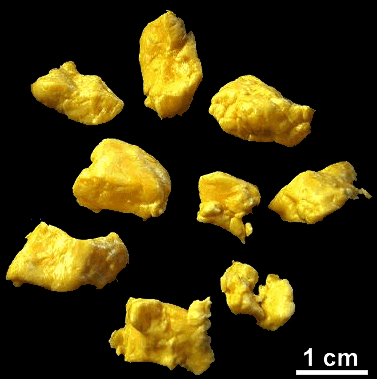 Curd products vary by region and include cottage cheese, curd cheese (both curdled by bacteria and sometimes also rennet), farmer cheese, pot cheese, queso blanco, and paneer.